
Emergency AC Repair in the West Valley
An air conditioner that fails at 10 p.m. in July is not a minor inconvenience in the Phoenix area. Indoor temperatures climb quickly, and for young children, older adults and anyone with a health condition the heat becomes a real concern. Vortech is open 24 hours, and our emergency AC repair covers Glendale, Peoria, Sun City, Sun City West and Surprise. Call the number on this page and a person answers, takes down what the system is doing and gets the right technician moving toward your home.
Emergency work is still careful work. A tech arrives, tests the system and finds the actual failure rather than resetting a breaker and hoping. Many after hours calls turn out to be a failed capacitor, a tripped float switch from a clogged drain, a dead blower motor or a frozen coil, and those can often be corrected on the visit when the part is on the truck. If the problem is bigger, you will hear exactly what it is and what the realistic next steps are.
When to Call
- No cooling at all and the house is heating up
- Burning smell or smoke from the unit or vents
- Outdoor unit buzzing, grinding or shutting off with a bang
- Water pouring from the air handler or ceiling
- Breaker keeps tripping when the system starts
- A vulnerable person in the home and no working cooling
What a Visit Covers
- Phone triage to understand what the system is doing
- Safe shutdown advice if there is a burning smell or water
- Arrival with common parts such as capacitors and contactors
- Electrical and refrigerant diagnosis at the unit
- Check of the drain, float switch and coil for blockage or ice
- Plain explanation of the fault and your options
- Repair performed after you approve it, or a clear plan if parts are needed
How the Job Goes
- You call, we answerDescribe what the system is doing. We ask a few quick questions, give you safety advice if needed, and arrange the visit. Stay on the line if you can, and we will talk through safe next steps.
- Make it safeOn arrival we confirm there is no electrical or water hazard and shut down anything that could be damaged by running. That protects you, your home and the equipment while we work.
- Find the real failureWe test capacitors, contactors, motors, drain, coil and refrigerant side so the repair addresses the cause, not just the symptom. Meters and gauges, not guesses, decide what gets replaced.
- Repair or stabilizeIf the part is on hand, we fix it that visit. If not, we explain what is needed and what can be done to keep you as comfortable as possible meanwhile.
Why This Matters in Arizona
Cooling failures in the West Valley rarely pick a convenient time. Systems break on the hottest evenings, on holiday weekends and during monsoon season, when a power surge or outage can leave electronics and motors stressed. When afternoon temperatures stay above 110 degrees, a closed up house can reach unsafe levels in just a few hours. That is why waiting until Monday is not always an option here. A repair company that answers at any hour, and sends someone who can actually diagnose the system, matters more in Arizona than in most places. Knowing which parts fail most often in desert heat helps us fix things fast.
What to do while you wait for the technician
Start with the simple checks. Make sure the thermostat is set to cool with a temperature below the room reading, confirm the breaker has not tripped and replace the filter if it is visibly clogged. If you see ice on the indoor coil or refrigerant line, turn the system off at the thermostat and leave the fan on to thaw it. Do not keep running a frozen system. Even a few quick checks can rule out a nuisance trip before the visit.
If you smell burning, see smoke or hear grinding from the outdoor unit, shut the system off at the thermostat and the breaker and tell us on the call. Stay out of any standing water near electrical equipment. Meanwhile, close blinds, move to the coolest room, drink water and use fans. Check on neighbors who may be at risk, especially older residents. That keeps you from running a damaged system and gives the technician useful information when they arrive.
Why emergency calls are often fixable on the first visit
Heat related failures tend to repeat in predictable ways. Start and run capacitors, contactors, fan motors and float switches account for a good share of after hours breakdowns, and a technician who stocks those parts can complete the repair at your door. The key is testing before replacing, since a hard starting compressor or a refrigerant leak can mimic a simple electrical failure. Arriving prepared saves time, which matters when the house is getting warmer by the hour.
Some problems do take longer. A seized compressor, a leaking coil or a failed circuit board may need parts ordered, and an older system may raise the repair or replace question. We keep that conversation honest. What affects cost is the part, the labor, the equipment age and whether refrigerant work is involved, and we explain each before work starts so there are no surprises. We would rather give you a straight answer at midnight than a vague promise.
Recent Vortech Work
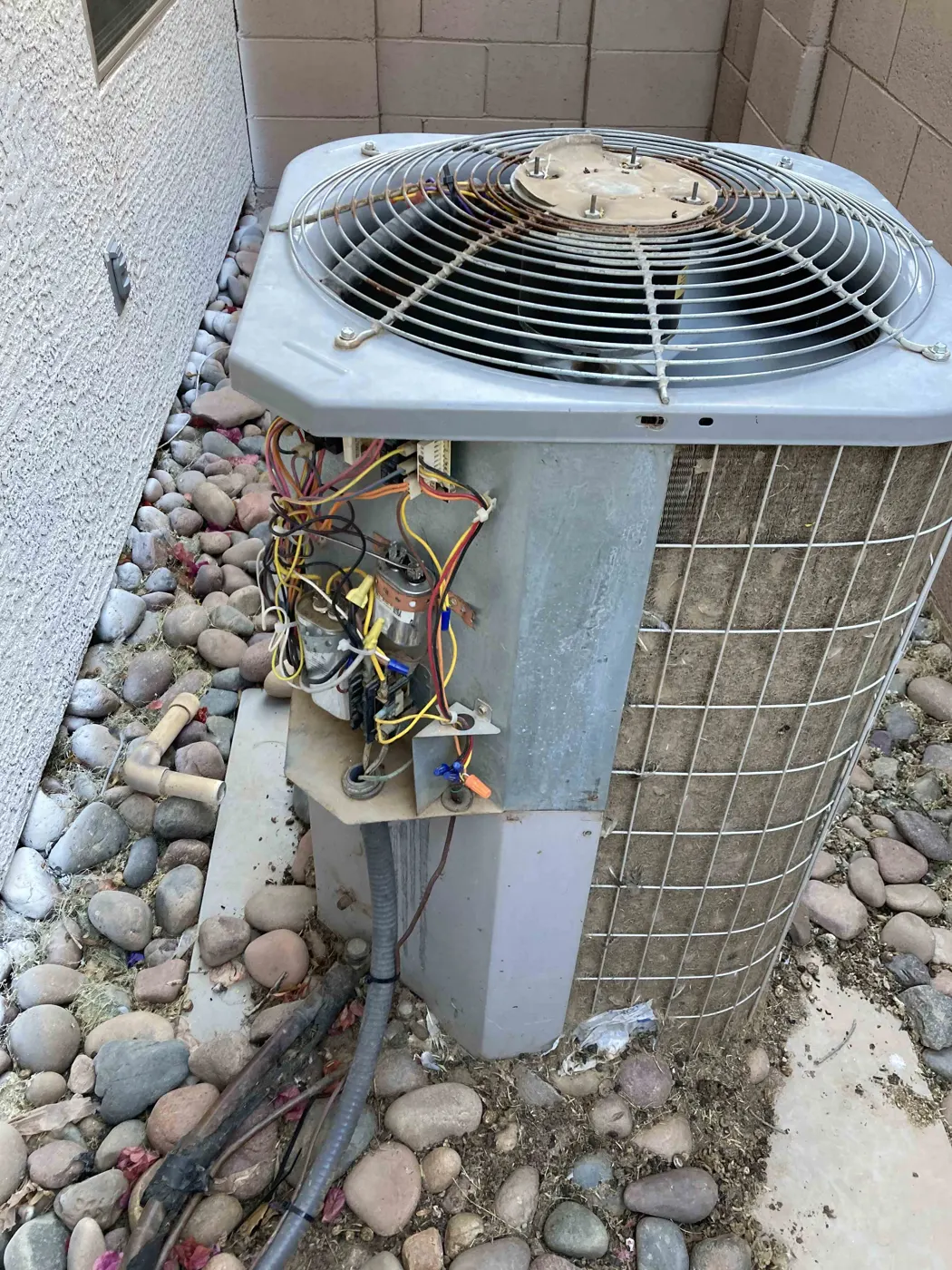
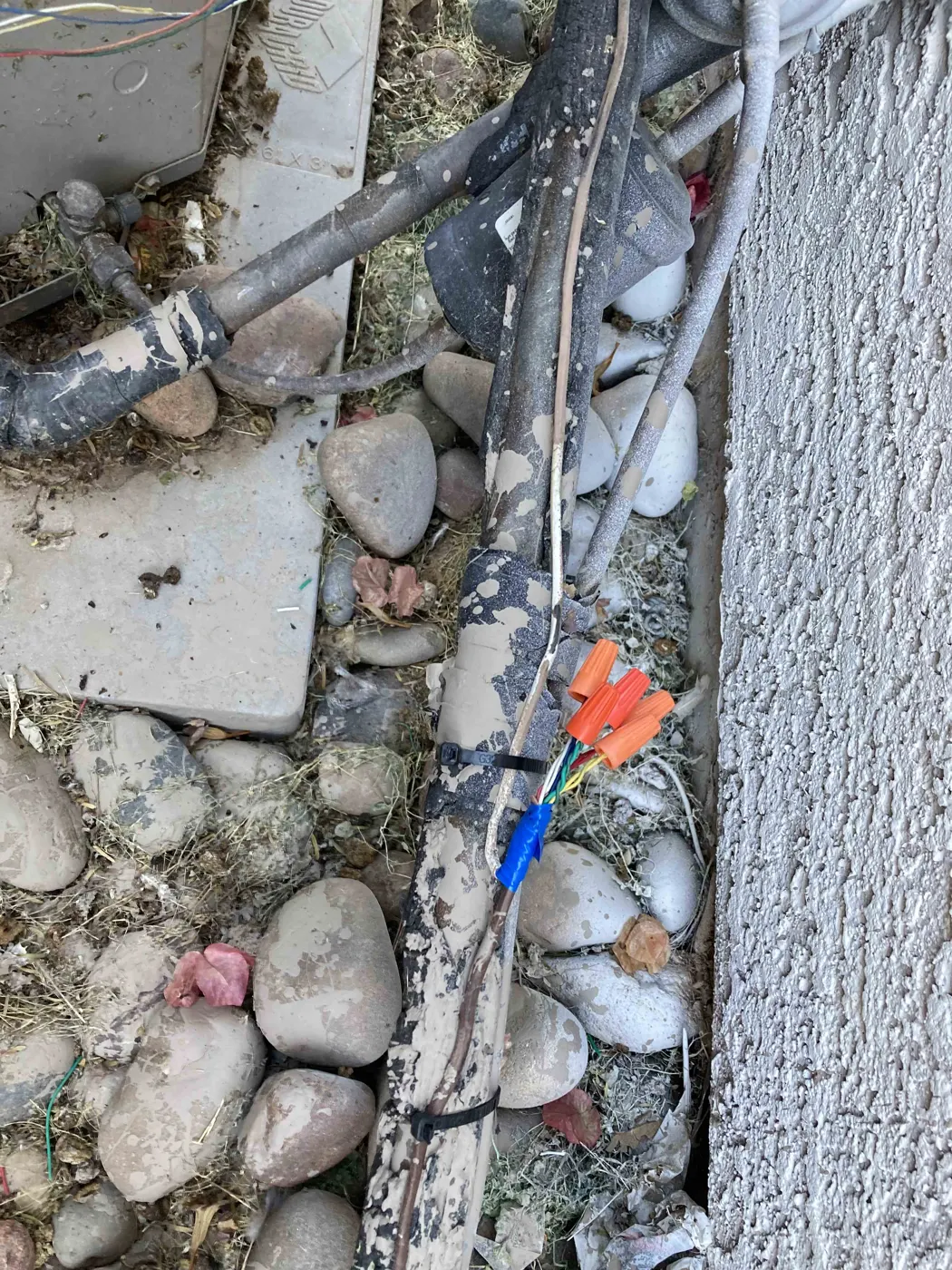
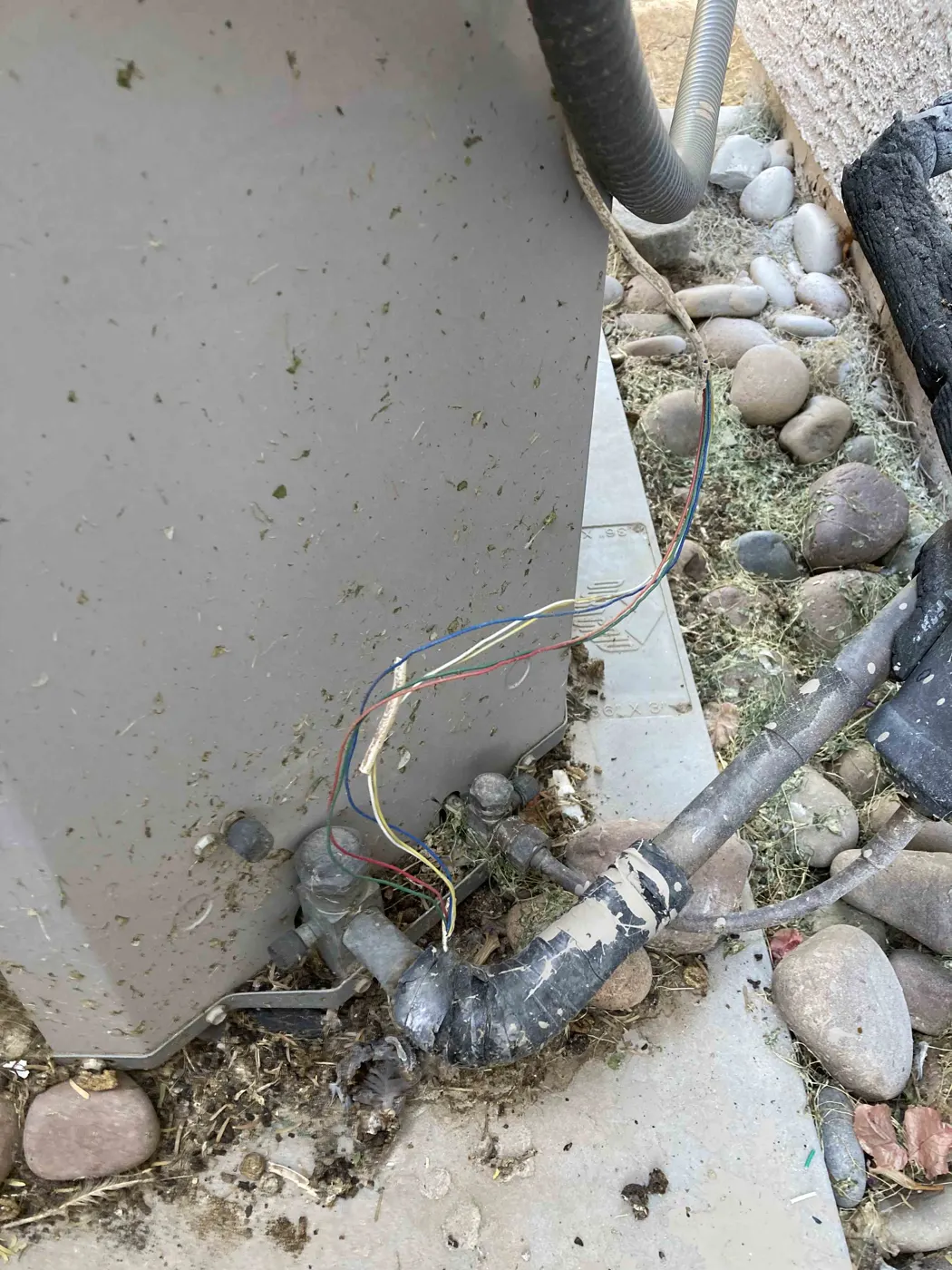
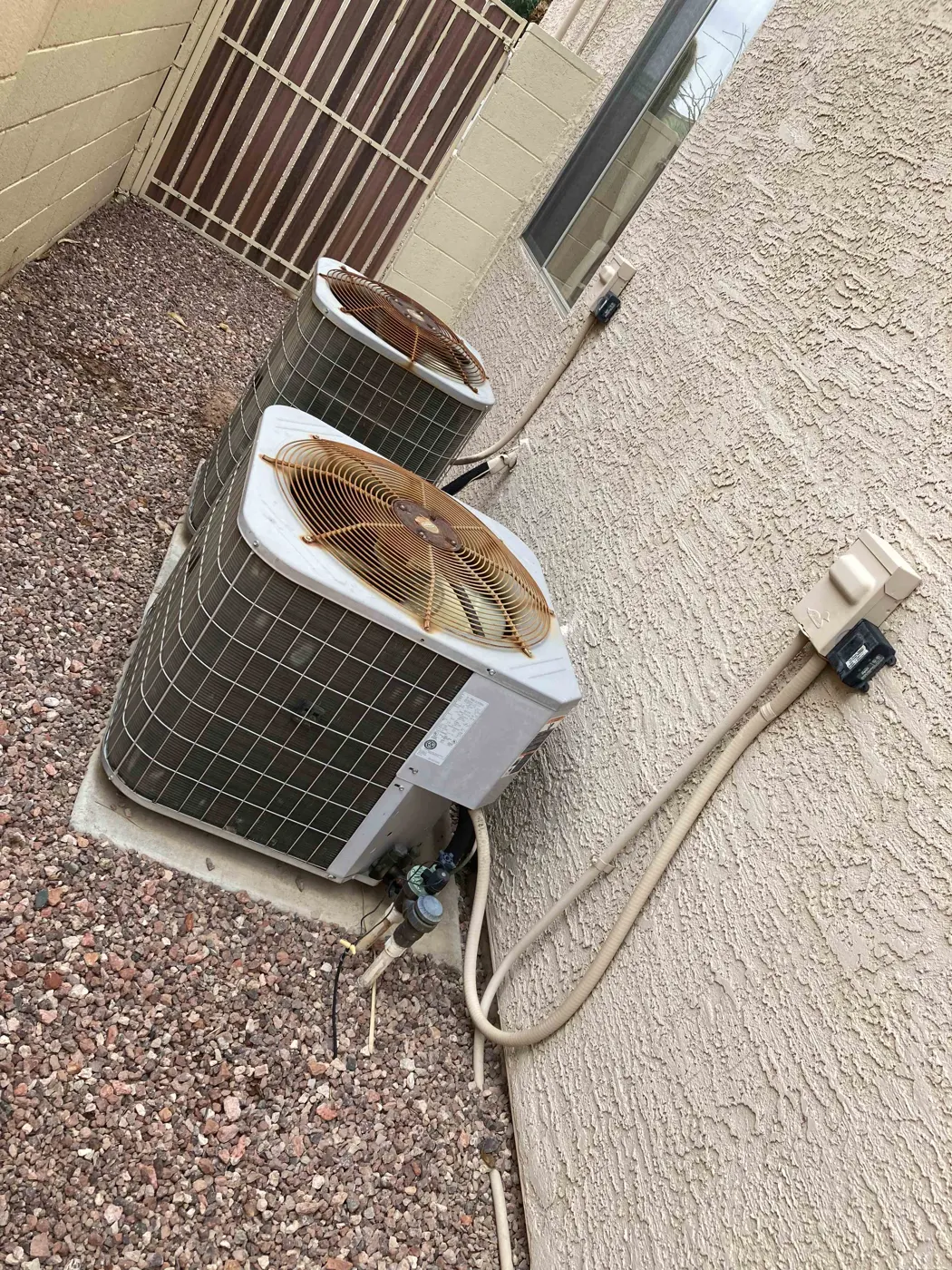
Most Asked Questions About Emergency AC Repair
What homeowners search for most, answered.
How do you keep your AC from tripping the breaker?
To keep your AC from tripping the breaker, keep the filter clean, keep the outdoor unit clear of debris, and have the system serviced so the electrical parts and coils are in good shape. A breaker trips when the AC draws more current than its circuit is built to carry.
What should you do if your AC circuit breaker keeps tripping?
If your AC circuit breaker keeps tripping, turn the AC off at the thermostat, leave the breaker off, and call a licensed technician instead of resetting it repeatedly. Repeated trips mean something is wrong, such as a shorted motor, a failing compressor, a bad capacitor, or damaged wiring.
Why does my outside AC unit keep tripping the breaker?
Your outside AC unit keeps tripping the breaker because the compressor and condenser fan live there and draw the most power. Typical causes are a dirty or blocked condenser coil, a failing fan motor, a weak capacitor, a short in the wiring, or a compressor that is wearing out.
What does it mean when your AC keeps tripping your breaker?
When your AC keeps tripping your breaker, it means the system is drawing more electricity than its circuit allows, or the circuit has a fault. The breaker is a safety device, so a repeating trip warns that a component is failing, such as a compressor, a motor with worn bearings, or a bad capacitor.
Frequently Asked Questions
Are you really available at night and on weekends?
Yes, Vortech is listed as open 24 hours, so you can call at any hour and reach us. Calls are triaged by what the system is doing and how urgent the situation is. If someone in your home is at risk from the heat, tell us at the start of the call.
What should I tell you when I call?
Tell us what the unit is doing, any sounds or smells, whether the breaker has tripped and whether anyone in the home is vulnerable to heat. Include your address, the thermostat setting and anything you already tried. That information helps us bring the right parts and prepare for the likely fault.
Can a technician fix my AC the same visit?
Often, yes, when the problem is a common part such as a capacitor, contactor, fan motor or float switch and the part is on the truck. Compressor failures, leaking coils and failed control boards can take longer. After diagnosis, we explain whether the repair can be finished that visit.
Is it safe to run my AC if it smells like burning?
No, turn it off at the thermostat and the breaker right away. A burning smell can come from an overheating motor, failing wiring or a shorted component, and running the system risks damage or fire. Leave it off, stay clear of the unit and call us so it can be checked safely.
How do I keep my house cooler until the AC is fixed?
Close blinds and curtains on sun facing windows, run ceiling fans and move to the coolest room. Drink water and avoid cooking with the oven. If the heat becomes dangerous, especially for children or older adults, go somewhere cooled, such as a relative's home or a public cooling center.
Does a monsoon storm damage air conditioners?
It can. Power surges, outages and flying debris can stress capacitors, control boards and motors, and dust can clog the outdoor coil. After a storm, wait for stable power before restarting the system. If it does not run properly afterward, have it tested before repeated attempts cause more damage.
AC down or electrical acting up?
Call now or request a visit. Licensed in both air conditioning and electrical, so one company handles it.