
AC Repair in the West Valley
When an air conditioner quits in an Arizona summer, the house stops being comfortable fast, and guessing at the cause usually costs more than a proper diagnosis. Vortech repairs central air conditioners and air handlers for homeowners in Glendale, Peoria, Sun City, Sun City West and Surprise. We start by finding out why the system failed, not by pitching the biggest fix. A large share of no-cooling calls come down to a worn capacitor, a pitted contactor, a clogged condensate drain or a dirty coil, and those are repairs, not replacements.
Our technicians test the outdoor unit, the indoor coil, the blower, the thermostat and the electrical side before they tell you anything. You get a plain explanation of what failed, what the options are and what each one involves, so the decision stays yours. If the system is truly at the end of its life, we will say so and explain why. If a smaller repair gets you through the season reliably, we will say that too. Call any hour, because the phones are open 24 hours.
When to Call
- Air from the vents is warm or only slightly cool
- Outdoor unit hums or clicks but the fan will not spin
- Ice or frost on the indoor coil or refrigerant line
- Water leaking around the air handler or a wet ceiling
- System short cycles, or runs nonstop without reaching the set temperature
- Breaker trips when the air conditioner starts
What a Visit Covers
- Check of thermostat settings, wiring and batteries
- Electrical testing of capacitor, contactor and motors
- Inspection of the indoor coil, filter and blower
- Condensate drain and pan check for clogs and overflow
- Refrigerant pressure and temperature split readings
- Clear explanation of the cause and your repair options
- Repair completed once you approve the work
How the Job Goes
- Listen and lookWe ask what the system has been doing, then check the thermostat, filter, breaker and visible condition of both the indoor and outdoor equipment before opening anything up.
- Test the electrical sideCapacitors, contactors and motors cause many failures, so we measure them with meters instead of guessing. A weak part can look fine to the eye and still be the problem.
- Check airflow and refrigerantWe read temperature split and refrigerant pressures, look for a frozen or dirty coil, and confirm the blower and drain are moving air and water the way they should.
- Explain your optionsYou hear what failed, what the repair involves and whether replacement is worth discussing. Nothing is done until you understand it and approve it. Questions are welcome.
- Repair and verifyWe make the repair, then run the system and confirm it cools, drains and cycles correctly before we pack up. Only then do we consider the job finished.
Why This Matters in Arizona
Air conditioners in the West Valley run harder and longer than almost anywhere else in the country. Summer afternoons push past 110 degrees, and many systems run most of the year, so small weaknesses turn into failures quickly. A capacitor that was marginal in May quits in July. A drain line that clogs during monsoon season can flood a ceiling while you are away. Dust storms load the outdoor coil, and the heat shortens the life of every electrical part. Fixing a failing component early keeps a small repair from becoming a compressor problem, and it keeps the house livable when it matters most.
Common reasons an AC stops cooling
The most frequent failures are electrical. A run or start capacitor gets weak from heat and stops giving the compressor or fan the push it needs, so the unit hums but will not start. A contactor, the relay that powers the outdoor unit, can burn its contacts after thousands of cycles. These parts are inexpensive compared with the equipment they protect, but they have to be tested properly, because replacing the wrong one wastes time.
Airflow and water problems come next. A clogged filter or dirty evaporator coil lets the coil freeze into a block of ice, which stops cooling and can then leak when it thaws. A condensate drain packed with algae overflows into the pan or the ceiling. Blower motors wear out, thermostats lose calibration, and a refrigerant leak slowly starves the system until it cannot cool. Each has a different fix, which is why diagnosis comes first.
Repair or replace: how to think about it
Repair makes sense when the failed part is isolated, the rest of the system is in decent shape and the equipment still uses a refrigerant that can be serviced. Replacement starts to make sense when major components such as the compressor or coil are failing, when repairs are repeating, or when an older system runs on R-22, which stopped being produced in 2020 and has become hard to source. Age, condition and the cause of the failure all matter together.
Cost depends on the part, the labor involved, how accessible the equipment is and whether refrigerant work is needed. A leak repair, for example, involves locating the leak, fixing it and recharging, which is a different job from swapping a capacitor. We lay out the repair and the longer term picture side by side so you can weigh them without pressure. We would rather you understand the whole picture than approve a repair you later regret, so ask us anything about the numbers on the paperwork.
Recent Vortech Work
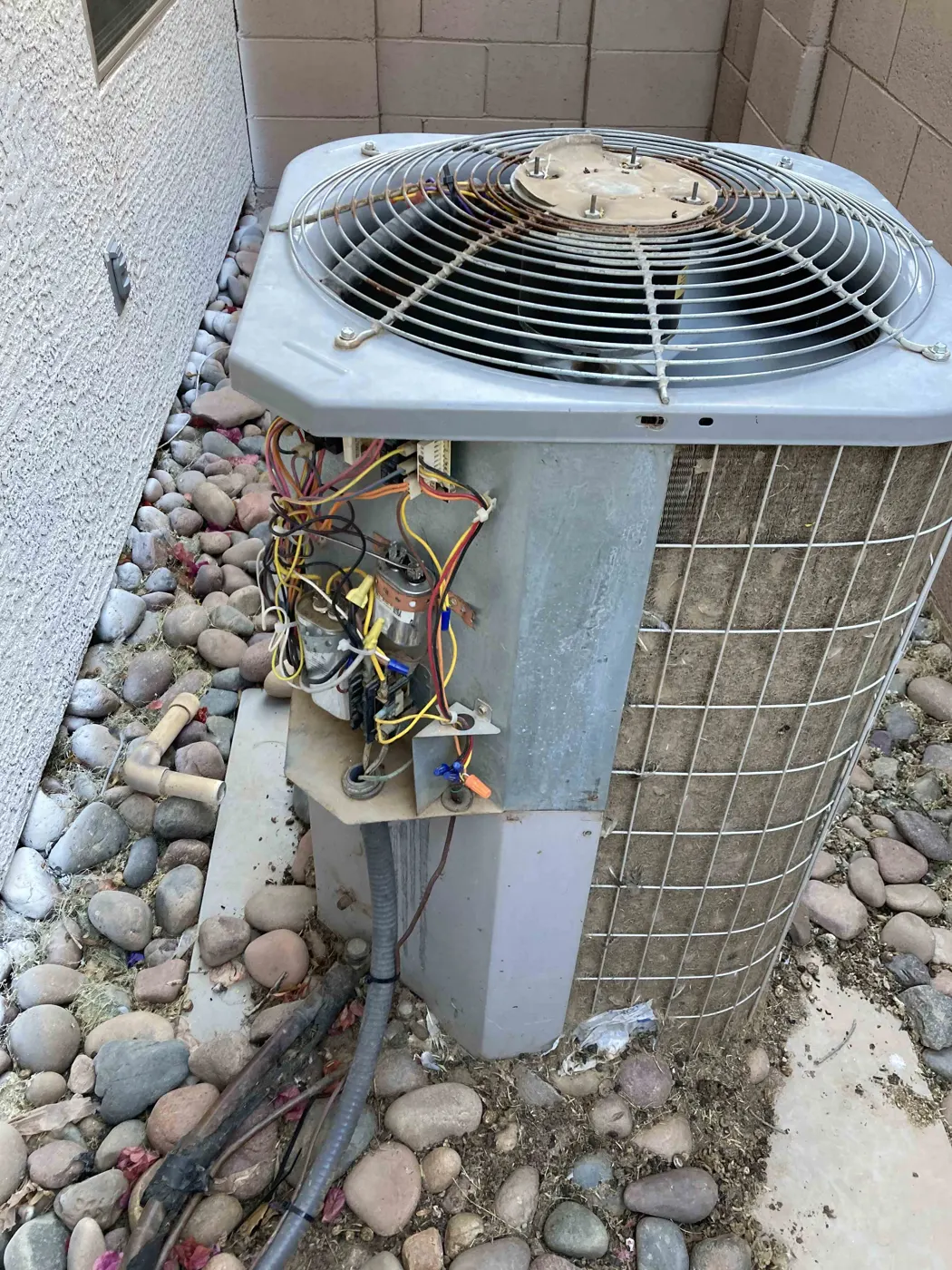
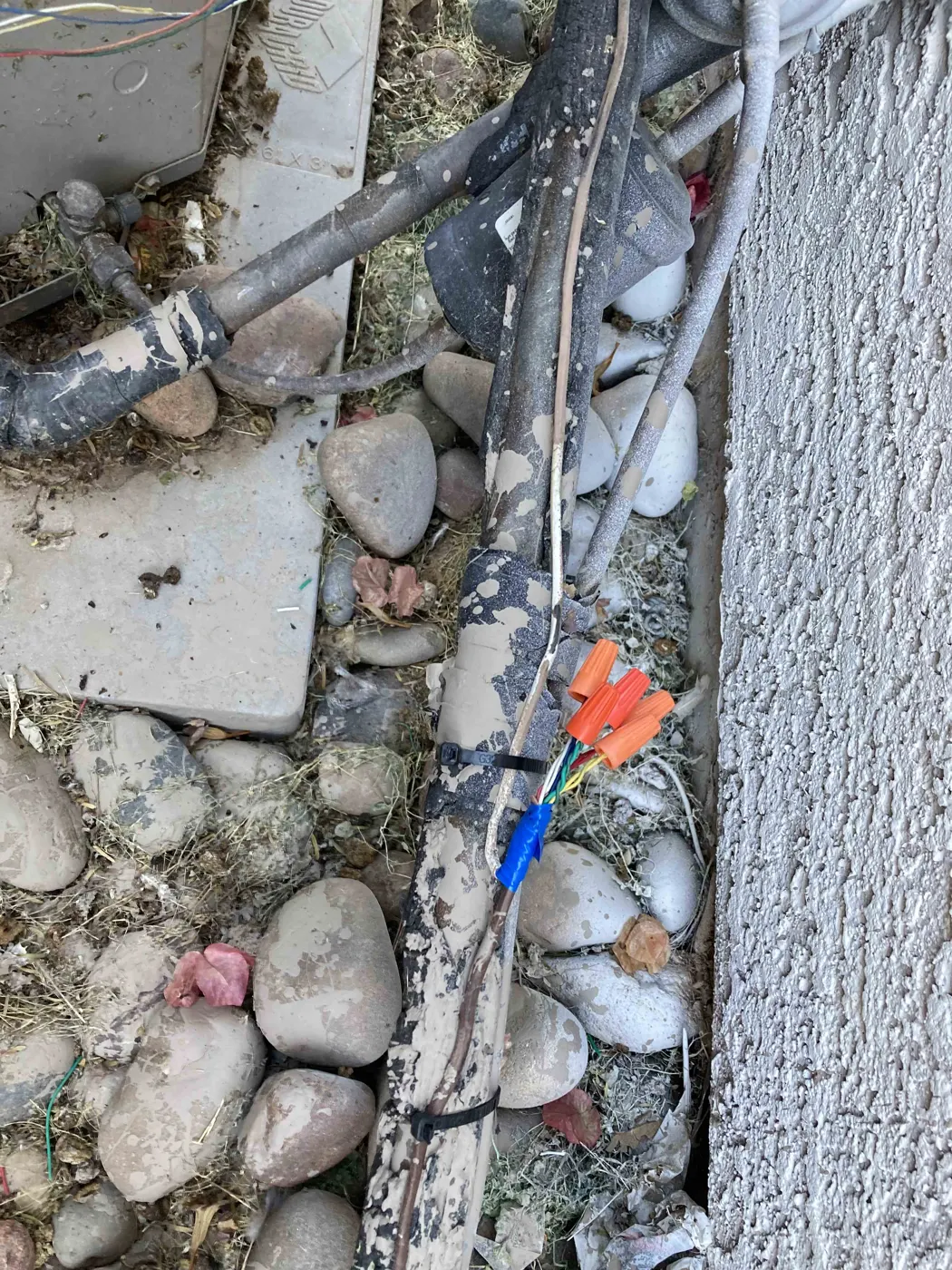
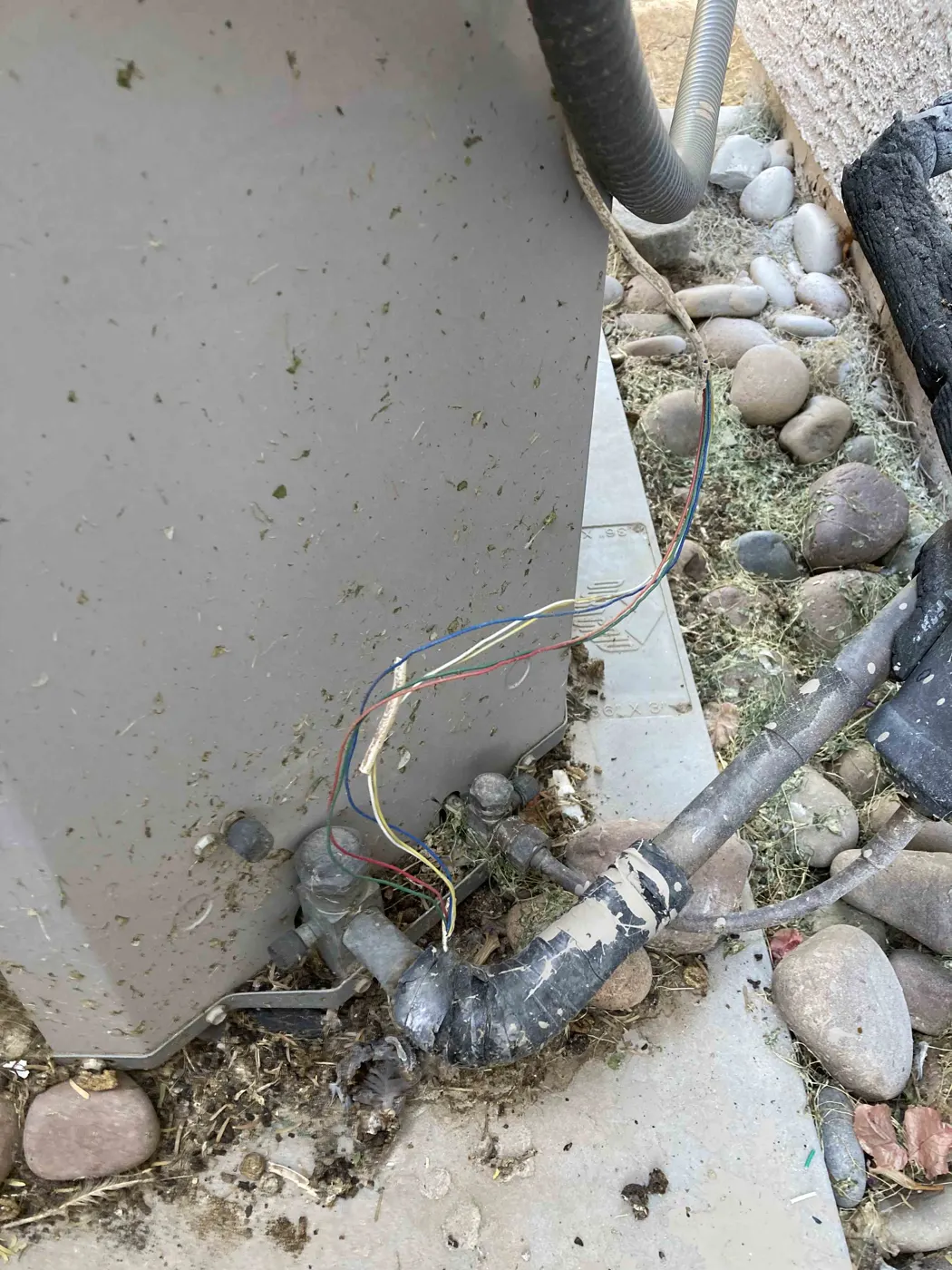
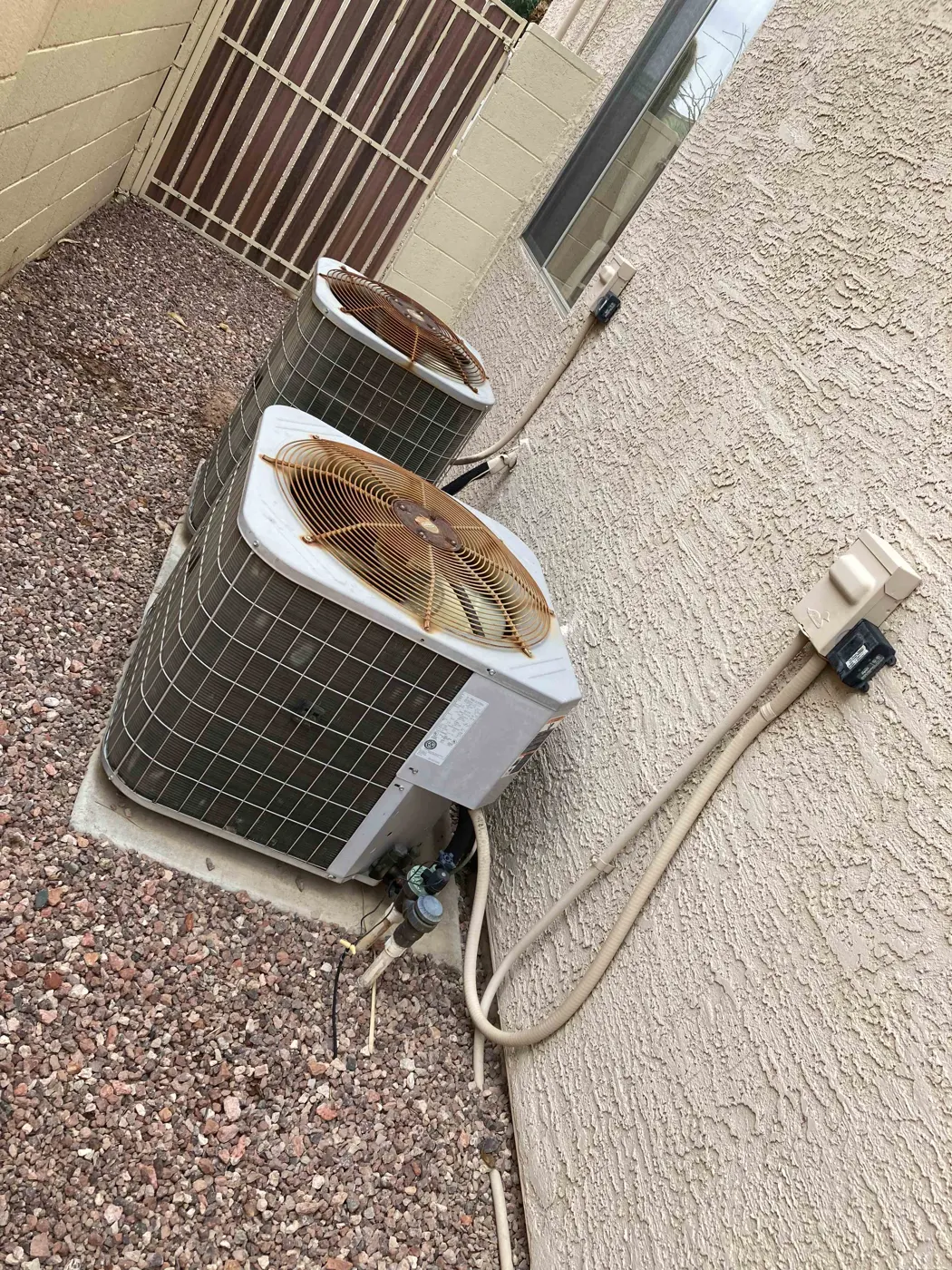
Most Asked Questions About AC Repair
What homeowners search for most, answered.
How do you tell if your home AC compressor is bad?
A bad AC compressor usually shows as an outdoor unit that hums but does not start, warm air from the vents while the indoor fan still runs, and a breaker that trips every time the system tries to run. Loud grinding or clanking from the outdoor unit points the same way.
How do you test an AC capacitor?
A technician tests an AC capacitor with a meter that reads capacitance, after the power is shut off and the capacitor is safely discharged. The reading is compared to the rating printed on its label. A capacitor outside its range, or one that is swollen or leaking oil, needs replacing.
How do you make an AC compressor come on?
To make an AC compressor come on, set the thermostat to cool and several degrees below room temperature, confirm the breaker and the outdoor disconnect are on, and replace the thermostat batteries if it has them. If the compressor still will not start, a technician needs to find out why.
How do you flush an AC system after a compressor failure?
Flushing an AC system after a compressor failure is done by a licensed technician. It involves recovering the old refrigerant, which requires EPA certification, and removing contaminated oil and debris from the lines and coils. Skipping it lets acid and metal particles destroy the replacement compressor.
Frequently Asked Questions
Why is my AC running but blowing warm air?
A running system that blows warm air usually has a failed outdoor fan or compressor capacitor, a dirty or frozen coil, or low refrigerant from a leak. Check that the filter is clean and the thermostat is set to cool. If the air stays warm, turn the system off and call a technician so the compressor is not damaged by running it.
Is it safe to keep running an AC that is frozen?
No, turn the system off and let the ice melt, because running a frozen coil can send liquid refrigerant back to the compressor and cause costly damage. Leave the fan on to speed thawing. Ice usually points to restricted airflow or low refrigerant, so it needs a proper diagnosis before the unit runs again.
What does a clicking sound from the outdoor unit mean?
Clicking often means the contactor is trying to engage but the compressor or fan is not starting, which points to a bad capacitor or a worn contactor. Occasional clicking at startup and shutdown can be normal. Repeated clicking with no cooling should be checked, since a struggling motor can overheat.
Can a dirty filter really cause an AC breakdown?
Yes, a clogged filter restricts airflow, which can freeze the evaporator coil, overheat the blower motor and make the system short cycle. It is the simplest cause to rule out. Replace the filter on a regular schedule, and more often during heavy summer use or after dust storms.
Why does my AC keep tripping the breaker?
A breaker that trips when the air conditioner starts usually points to a failing capacitor, a seized motor, a shorted compressor or a loose connection. Resetting it repeatedly can overheat wiring. Leave it off and have the system tested, since an electrical fault should be found before power goes back on.
Should I repair a leaking air handler myself?
No, shut the system off and call for service. Water around an air handler typically comes from a clogged condensate drain, a cracked pan or a frozen coil that melted. Clearing a drain looks simple, but the underlying cause matters, and standing water can damage ceilings, insulation and electrical components.
AC down or electrical acting up?
Call now or request a visit. Licensed in both air conditioning and electrical, so one company handles it.