
AC Installation & Replacement in the West Valley
Replacing an air conditioner is one of the larger purchases a homeowner makes, and in the West Valley it is usually a matter of when, not if. Vortech installs central AC systems in Glendale, Peoria, Sun City, Sun City West and Surprise, and we work under Arizona ROC license 333515 for air conditioning. The visit begins with your house, not a catalog: the square footage, the ductwork, the sun exposure, how the current system performs and what you want from the next one.
A good replacement is more than swapping boxes. The right capacity, a properly sized return and supply system, a level pad, correct electrical, a clean refrigerant line set and a verified startup all affect how the new equipment cools and how long it lasts. We walk through the options in plain language, explain what each choice changes and let you decide. If a repair would serve you better than replacement, we will tell you that instead.
When to Call
- System is old and repairs are becoming frequent
- Uneven cooling, with some rooms always warm
- Energy bills rising while comfort drops
- Unit uses R-22 refrigerant, which is no longer produced
- Compressor or coil failure on an older system
- Loud operation, rust or visible wear on the outdoor unit
What a Visit Covers
- In home evaluation of the house, ducts and existing equipment
- Load based sizing instead of rule of thumb guessing
- Removal of the old equipment and refrigerant recovery
- New outdoor unit and indoor coil or air handler installed
- Refrigerant line set, drain, electrical connections and pad work
- Permit handling where required
- Startup testing and a walkthrough of the new system
How the Job Goes
- Evaluate the homeWe look at the existing equipment, ducts, attic or closet setup and how the house heats up, then listen to what is bothering you about the current system.
- Size and selectWe recommend equipment matched to your home's cooling load and explain the options, including efficiency level, single or variable speed and what each means for comfort. Nothing is chosen until you understand the tradeoffs.
- Install the systemThe old system is removed and recovered properly. The new equipment, line set, drain, electrical and thermostat are installed and connected to code. Everything is connected, charged and sealed with care.
- Test and reviewWe verify airflow, refrigerant charge, temperature split and drainage, handle inspections where a permit applies, and show you how the system works. You also get a clear walkthrough of the thermostat and routine care.
Why This Matters in Arizona
Equipment in Arizona works harder than the same unit would in a mild climate. Months of 100 degree weather and long summer run times wear out compressors, motors and coils, so a replacement decision comes up sooner here. In Surprise, many homes built since 2000 now have systems in the range of 10 to 20 years old. In Sun City West and Sun City, original or early replacement equipment is common. Sizing matters too: an oversized unit short cycles and leaves a house clammy during monsoon humidity, while an undersized one never catches up in July. Getting the details right pays off every summer.
What determines the right system for your home
Capacity should come from the house, not from the size of the old unit. Square footage, insulation, window area, ceiling height, orientation and duct condition all change how much cooling a home needs. Matching the outdoor unit to the right indoor coil or air handler matters as well, because mismatched components waste efficiency and can shorten equipment life. We explain these tradeoffs in everyday terms, so you are choosing based on how your home actually behaves, not on sales language.
Other choices include efficiency rating, single stage versus variable speed operation, and thermostat options. Newer residential systems now use A2L refrigerants such as R-454B or R-32, which changes some equipment and service requirements. Existing ductwork also deserves a look, because leaky or undersized ducts can undermine even a well chosen new system. We also check the thermostat, the drain and the electrical supply, since a new system is only as good as the pieces it depends on.
Replace now or keep repairing: a practical guide
Replacement usually deserves serious thought when the system is past the middle of its expected life and has had repeated or expensive repairs, when the compressor or coil has failed, or when it still runs on R-22. Rooms that never cool well and rising energy use are other signals. A sound, newer system with one isolated failed part is usually a repair candidate instead. We will walk you through the evidence we see on your own equipment, so the recommendation is based on your system and not on a rule of thumb.
Several factors drive the final cost: the size and type of equipment, efficiency level, ductwork changes, electrical updates, pad or mounting work, permit requirements and how accessible the installation is. We explain which of these apply to your house so the proposal makes sense line by line, and so you can compare options without guessing what is included. Ask for the scope in writing, and we are glad to explain any line you are unsure about.
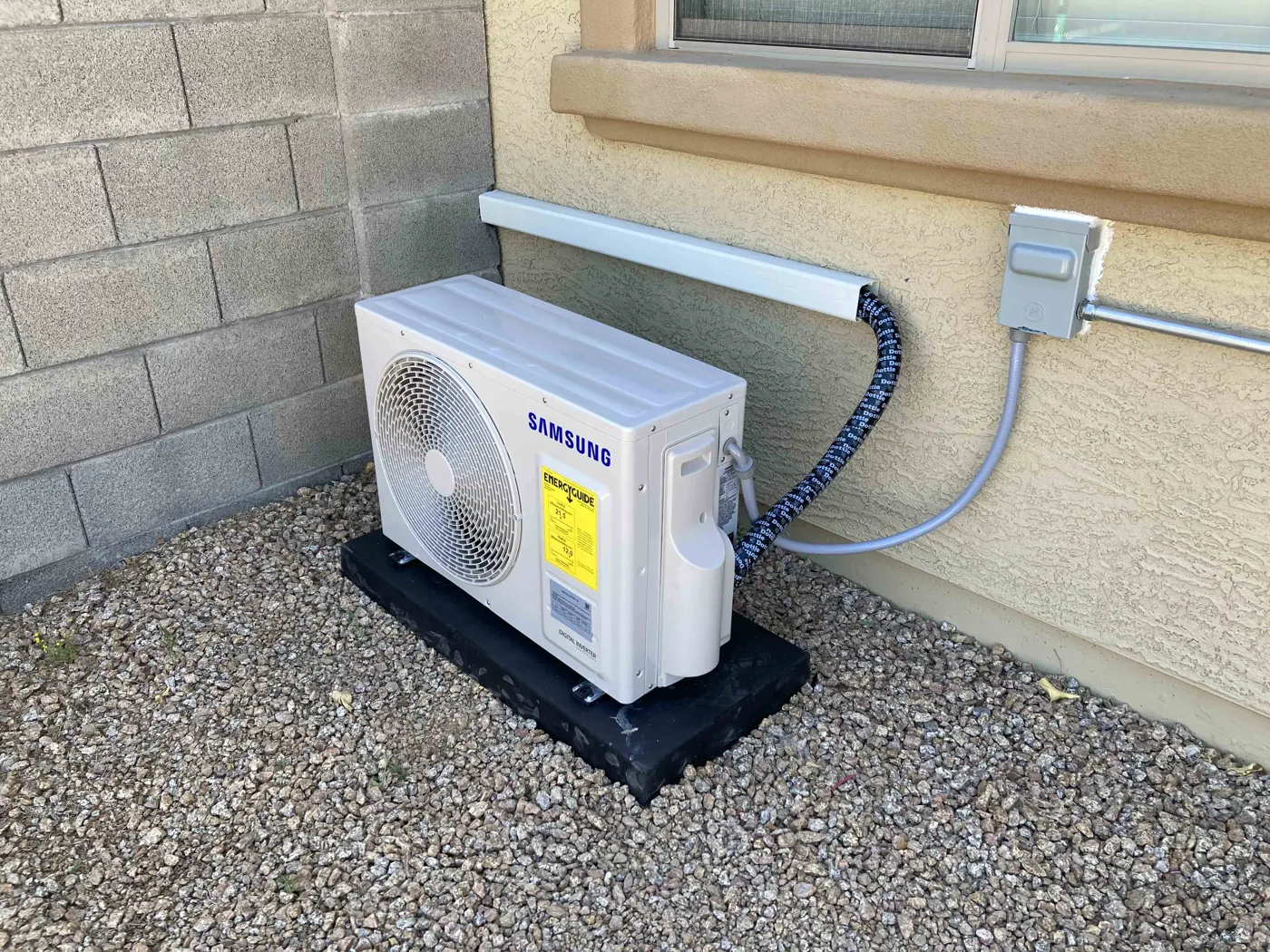
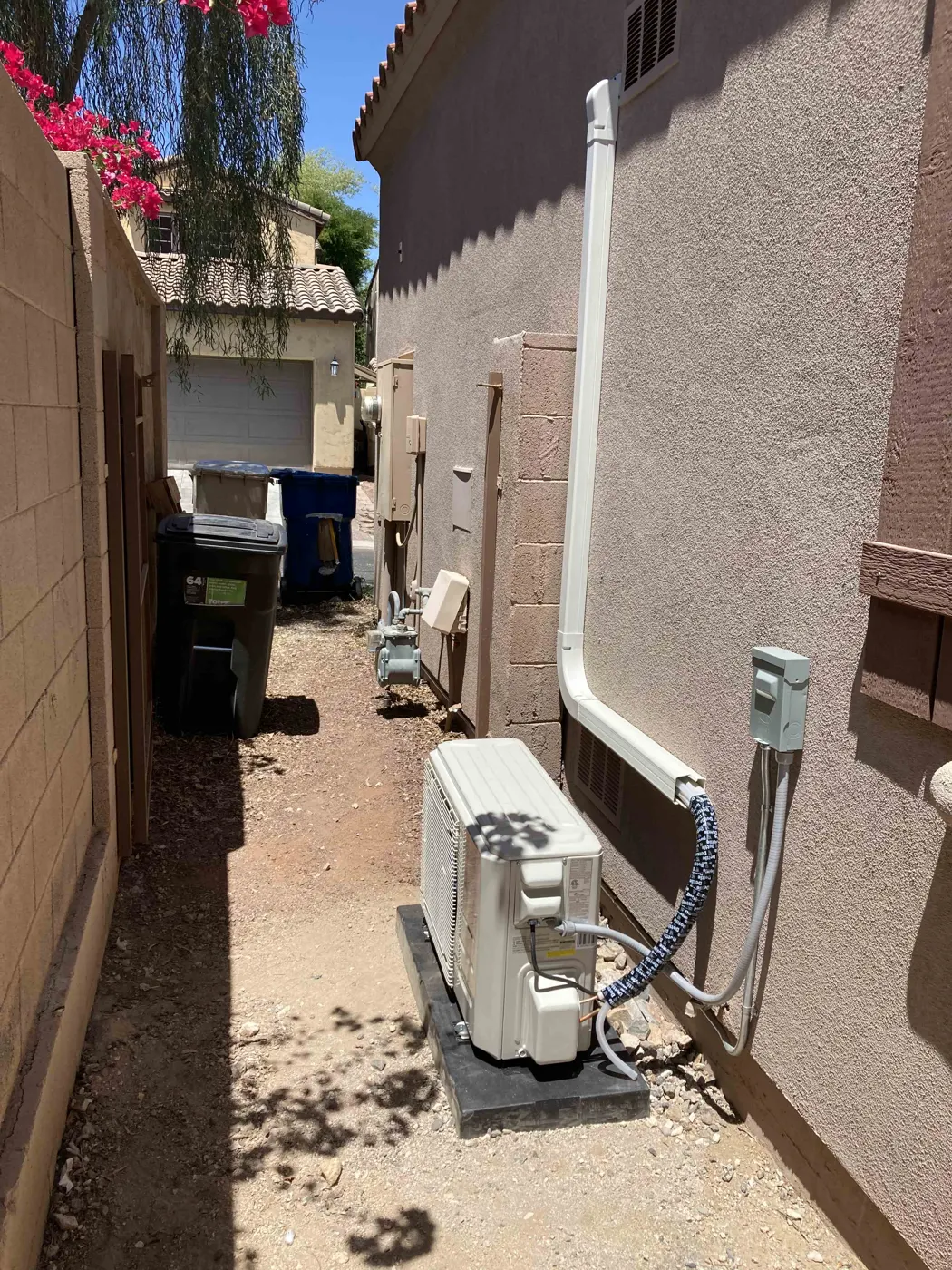
Recent Vortech Work
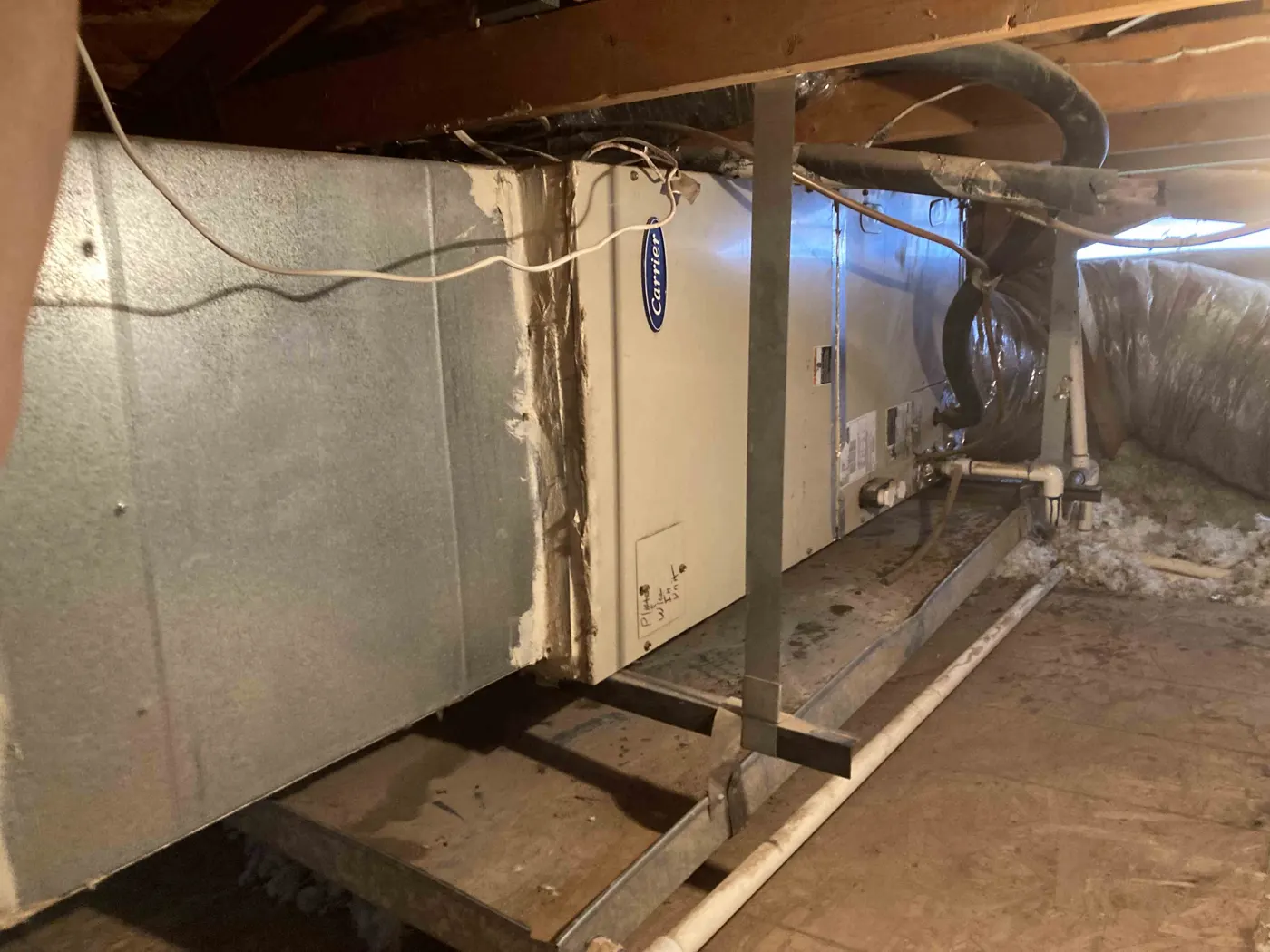
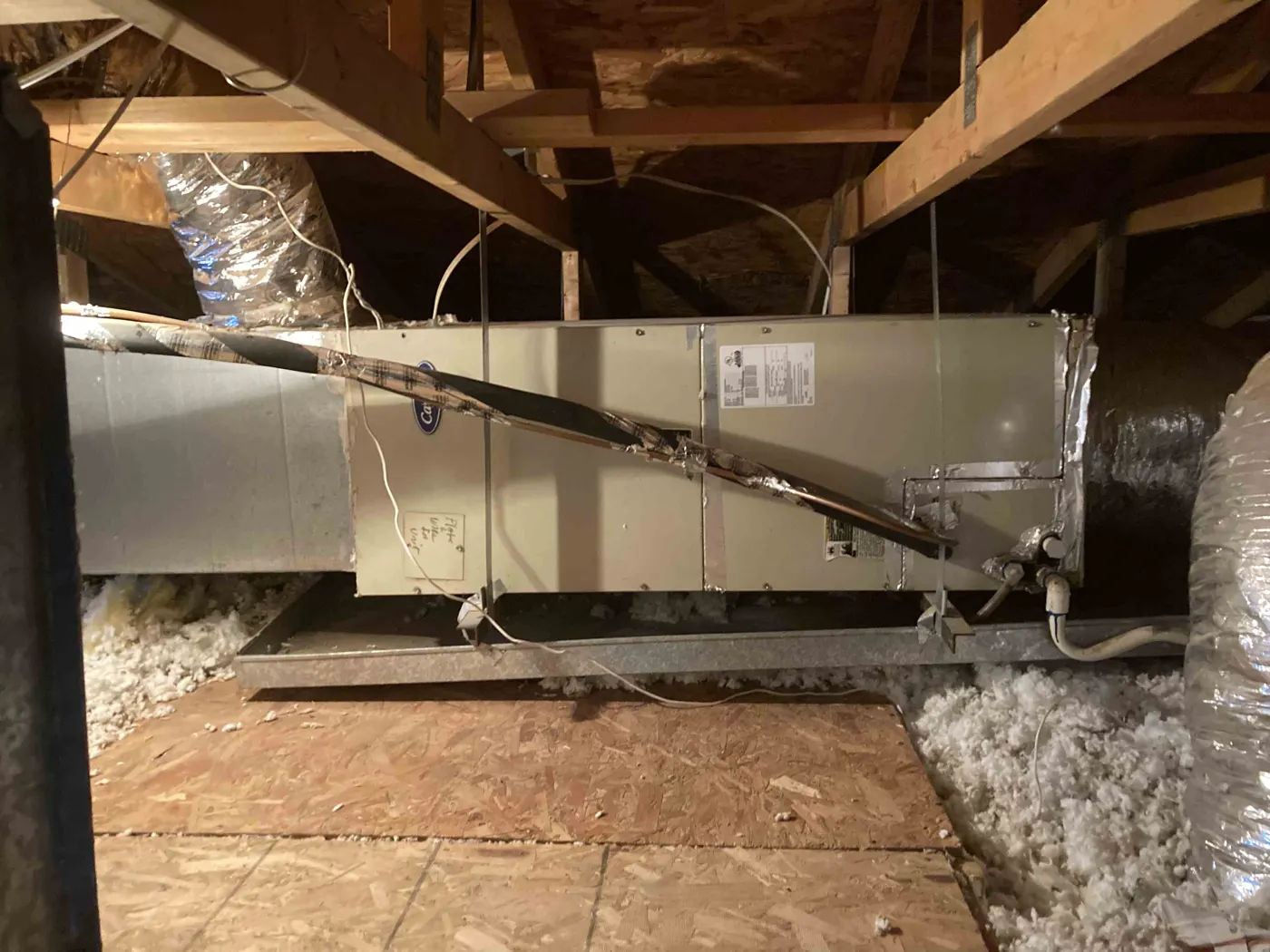
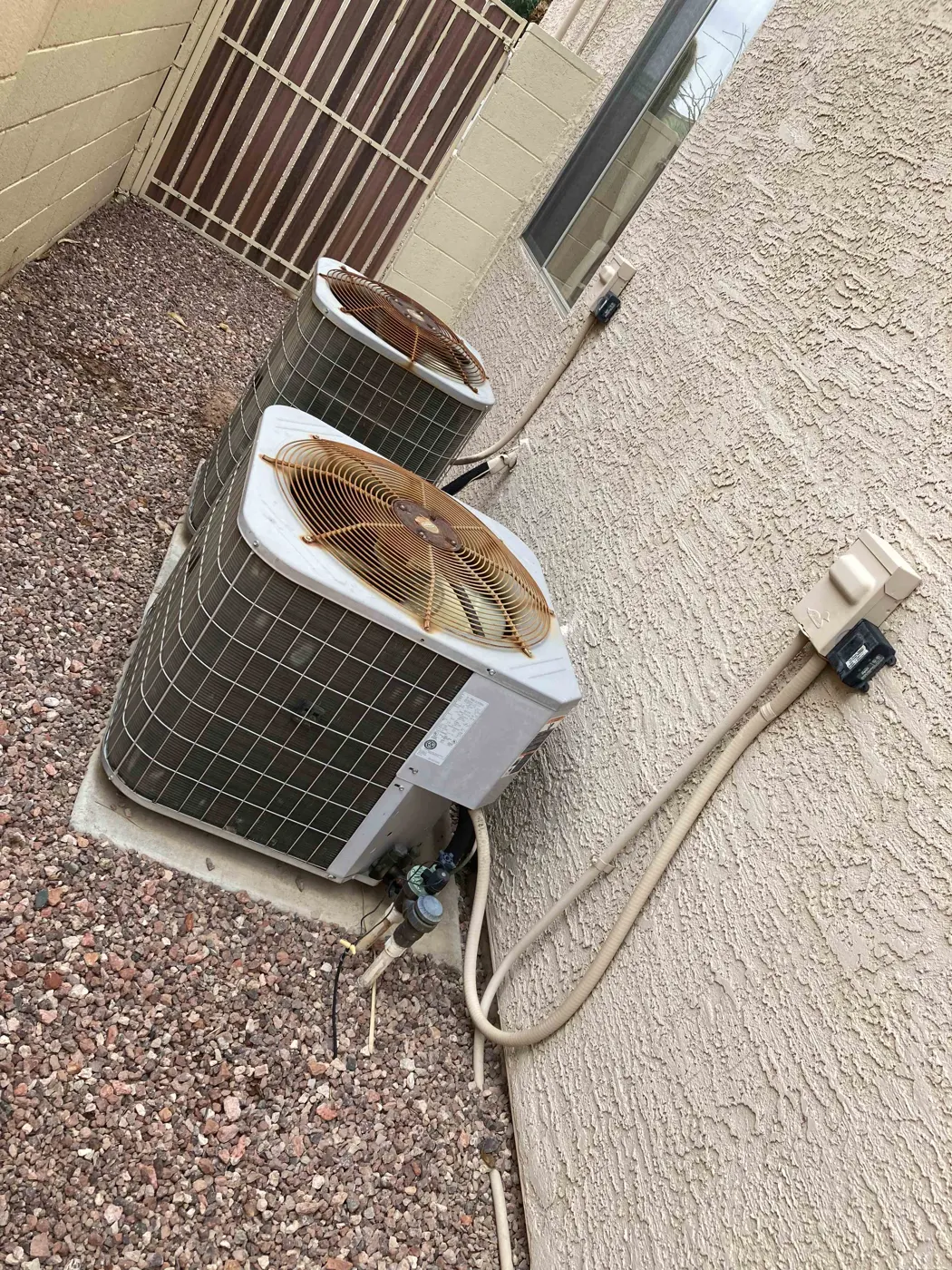
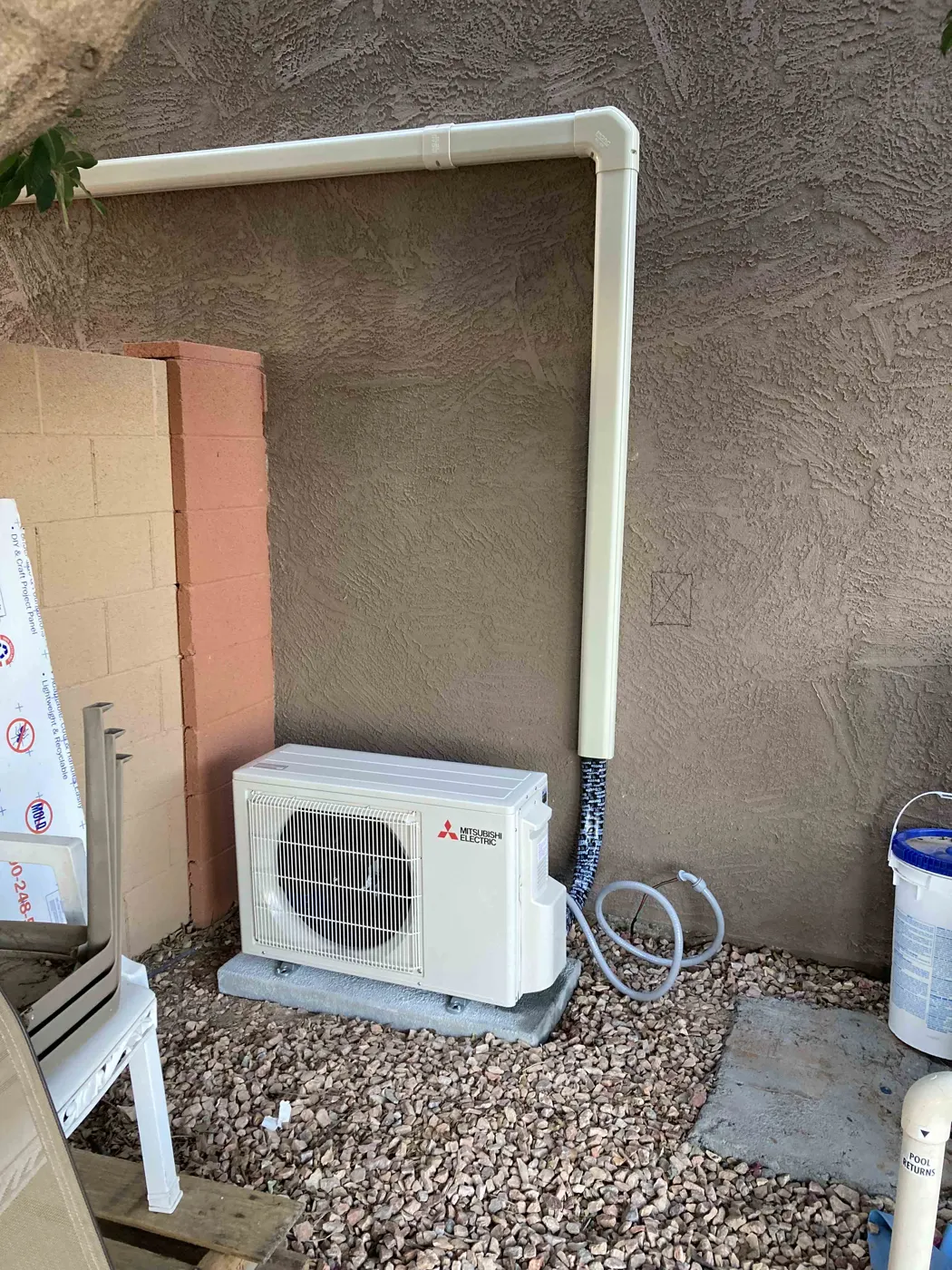
Most Asked Questions About AC Installation & Replacement
What homeowners search for most, answered.
What is a SEER rating?
A SEER rating is the Seasonal Energy Efficiency Ratio, a number that measures how much cooling an air conditioner delivers for the electricity it uses over a typical cooling season. A higher number means the unit is more efficient and generally costs less to run.
How much is a new air conditioner?
The price of a new air conditioner depends on the size of the system, its efficiency rating, the brand and features, the condition of your ducts, and the labor and permit work to install it. A larger home needs a bigger unit, and a variable speed system costs more than a basic single stage one.
How much does it cost to replace a 2.5 ton AC unit?
The cost to replace a 2.5 ton AC unit depends on whether you replace only the outdoor unit or the full system including the indoor coil and air handler, the efficiency level, and the condition of the existing line set, electrical and ductwork.
How often should AC ducts be replaced?
AC ducts have no fixed replacement schedule. They last as long as they stay sealed, insulated and undamaged, and in many homes that is several decades. In Arizona attics, though, extreme heat can break down flexible duct material and tape, so ducts in older homes are worth inspecting.
Frequently Asked Questions
How long does an air conditioner last in Arizona?
A central system often lasts somewhere past a decade in the desert, though condition, maintenance and installation quality all change that. Constant summer run time, heat and dust shorten life compared with milder areas. Regular service and clean coils help, but compressor or coil failure on an older system often signals that replacement is near.
What size air conditioner does my house need?
The right size comes from a cooling load assessment, not from square footage alone. Insulation, windows, ceiling height, sun exposure and duct condition all matter. An oversized unit short cycles and removes humidity poorly, while an undersized one runs constantly. We size equipment to the house and explain the reasoning.
Do I need a permit to replace my air conditioner?
In most of the West Valley, a system replacement requires a permit, and some inspections follow. Sun City and Sun City West are unincorporated, so many permits go through Maricopa County instead of a city. We handle the permit process where it applies and tell you what to expect.
What refrigerant will a new system use?
New residential systems built since 2025 use A2L refrigerants such as R-454B or R-32 instead of the older R-410A. These are different refrigerants, so equipment and service tools differ. Your installer should tell you which refrigerant the chosen system uses and what that means for future service.
Can I replace just the outdoor unit?
Sometimes, but it depends on compatibility and the age of the indoor coil. Mismatched components can reduce efficiency and cause problems, and a new outdoor unit often calls for a matching coil. We check what you have and recommend whether a partial or complete replacement makes sense.
Will new ducts be needed with a new system?
Not always. Ducts in good condition can often be reused, but leaks, poor sizing or damage can undermine a new system. We inspect the ductwork during the evaluation and tell you if repair, sealing or modifications would help the new equipment perform as intended.
AC down or electrical acting up?
Call now or request a visit. Licensed in both air conditioning and electrical, so one company handles it.